
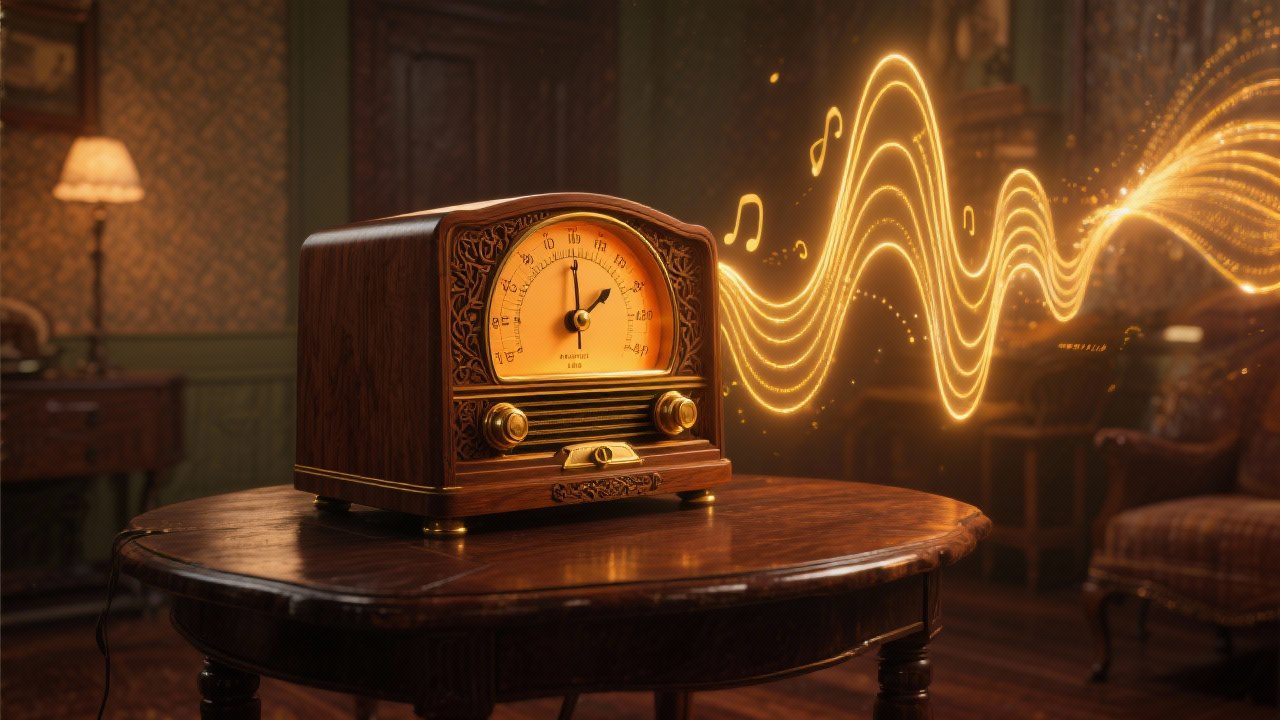
The Birth of Wireless Connection
At the turn of the 20th century, the world was a patchwork of isolated communities, communication bound by wires and distance. Then came a revolution carried not by cables, but by the air itself. This was the dawn of AM radio a force that didn’t just transmit sound but rewove the fabric of connection itself.
The Audacity of Airwaves
To lift a human voice and send it across cities, states, and oceans without a single line was pure audacity. Early pioneers, often dismissed as dreamers, pursued this vision with relentless determination. They weren’t merely building devices they were opening a new public square, a shared arena of sound that erased geography. The airwaves became a frontier, a chaotic mix of static and signal, yet within the noise lay the promise of unity.
The Battle for Broadcast
Telegraph companies, newspapers, and governments quickly recognized both the marvel and the threat of this technology. They fought for control of its frequencies, trying to tame the untamed air. Still, the magic of hearing a concert, a presidential address, or breaking news from a wooden radio box was irresistible. Families gathered nightly, their living rooms transformed into gateways to the wider world, stitching together a collective consciousness.
The Fading Echoes and Lasting Legacy
AM radio’s reign inevitably met challengers. FM delivered cleaner tones, and the internet carried voices faster and farther. Towers once alive with energy grew silent, their power yielding to new technologies.
Yet the legacy remains. AM radio proved that distance could be conquered, that one voice could touch millions. Even today, on a quiet night, a faint signal may still hum across the dial a whisper from the past, a reminder of the invisible threads that first bound us together.