How to Overcome Age-Related Hearing Loss as a Producer
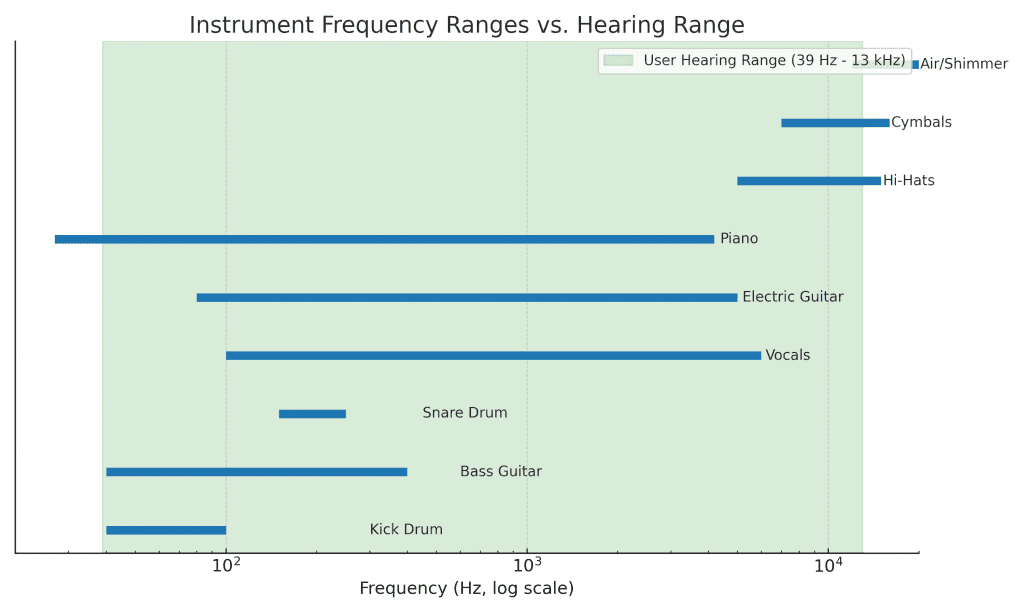
As music producers, our ears are our most valuable tools. But what happens when the high end of your hearing starts to fade? By the time most of us reach our 50s, it’s normal to lose sensitivity above 12–15 kHz. If your hearing tops out around 13 kHz, don’t worry you can still produce professional mixes. You just need to adjust your approach.
🎚️ 1. Trust Visual Tools Alongside Your Ears
When you can’t hear the top octave, you can still see it:
- Use spectrum analyzers (FabFilter Pro-Q, iZotope Insight, Voxengo SPAN) to spot frequencies you may miss.
- Watch for buildup in the 14–18 kHz range and manage it with dynamic EQ or multiband compression.
- Check LUFS and tonal balance meters to make sure your track lines up with professional standards.
🎧 2. Use Reference Tracks
Commercial mixes are your best reality check:
- Build a small library of trusted reference tracks in your genre.
- Level-match them to your mix and A/B often.
- Pay attention to the “air” and shimmer in cymbals or vocals. Even if you can’t fully hear them, the comparison will reveal if your mix is dull or overly bright.
🦻 3. Leverage Other Ears
Sometimes, collaboration is the secret weapon:
- Ask trusted friends, collaborators, or even family members with younger ears to check for excessive hiss or harshness.
- You don’t need to hand over control just use their feedback as a final polish.
🎶 4. Focus on What Truly Matters
Most of the meat of a mix is well within your hearing range:
- Kick & Bass Fundamentals: 40–100 Hz
- Vocals & Guitars: 100 Hz – 5 kHz
- Snare Snap & Clarity: 2–5 kHz
The ultra-highs (13 kHz+) are mostly icing, not the cake. Get the core right, and the mix will shine on any system.
🛠️ 5. Protect and Calibrate Your Ears
Good habits make a huge difference:
- Mix at 70–80 dB SPL to avoid fatigue.
- Take regular breaks to reset your hearing.
- Use accurate monitors and headphones so you’re not second-guessing.
🤖 6. Let Technology Help
Modern tools can bridge the gap:
- Some musician-focused hearing aids extend high-frequency response without coloring the sound.
- Certain plugins let you exaggerate highs temporarily so you can feel what’s happening.
- AI-assisted mastering tools (Ozone, Sonible, LANDR) can flag spectral imbalances you might not notice.
Heres a chart that might help if your over 50
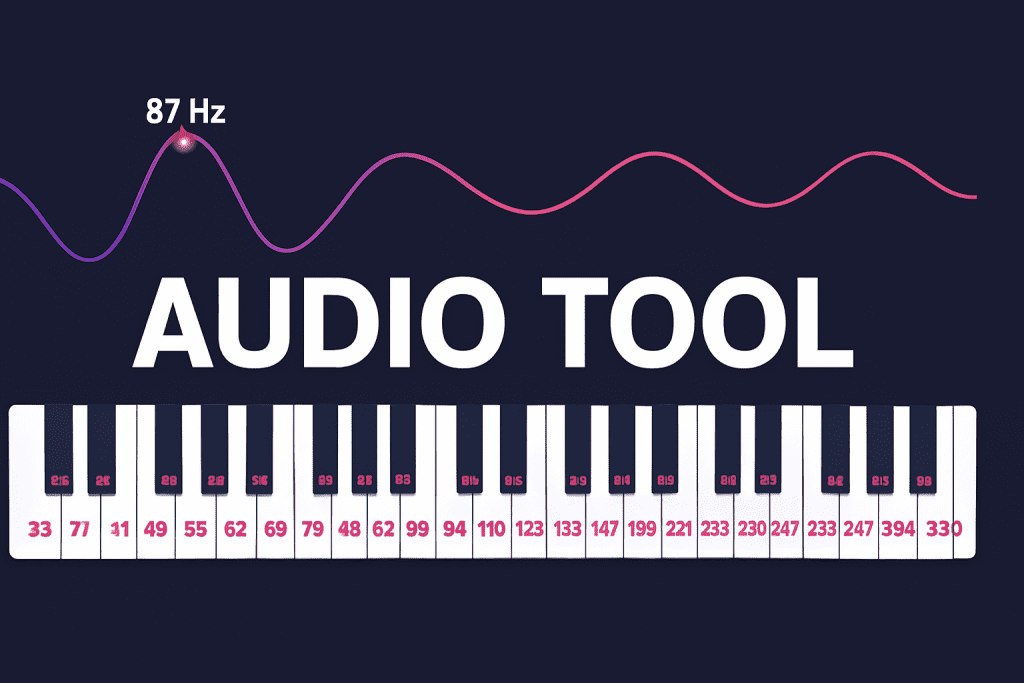
Check out our audio tone equalizer tool and check your hearing!