
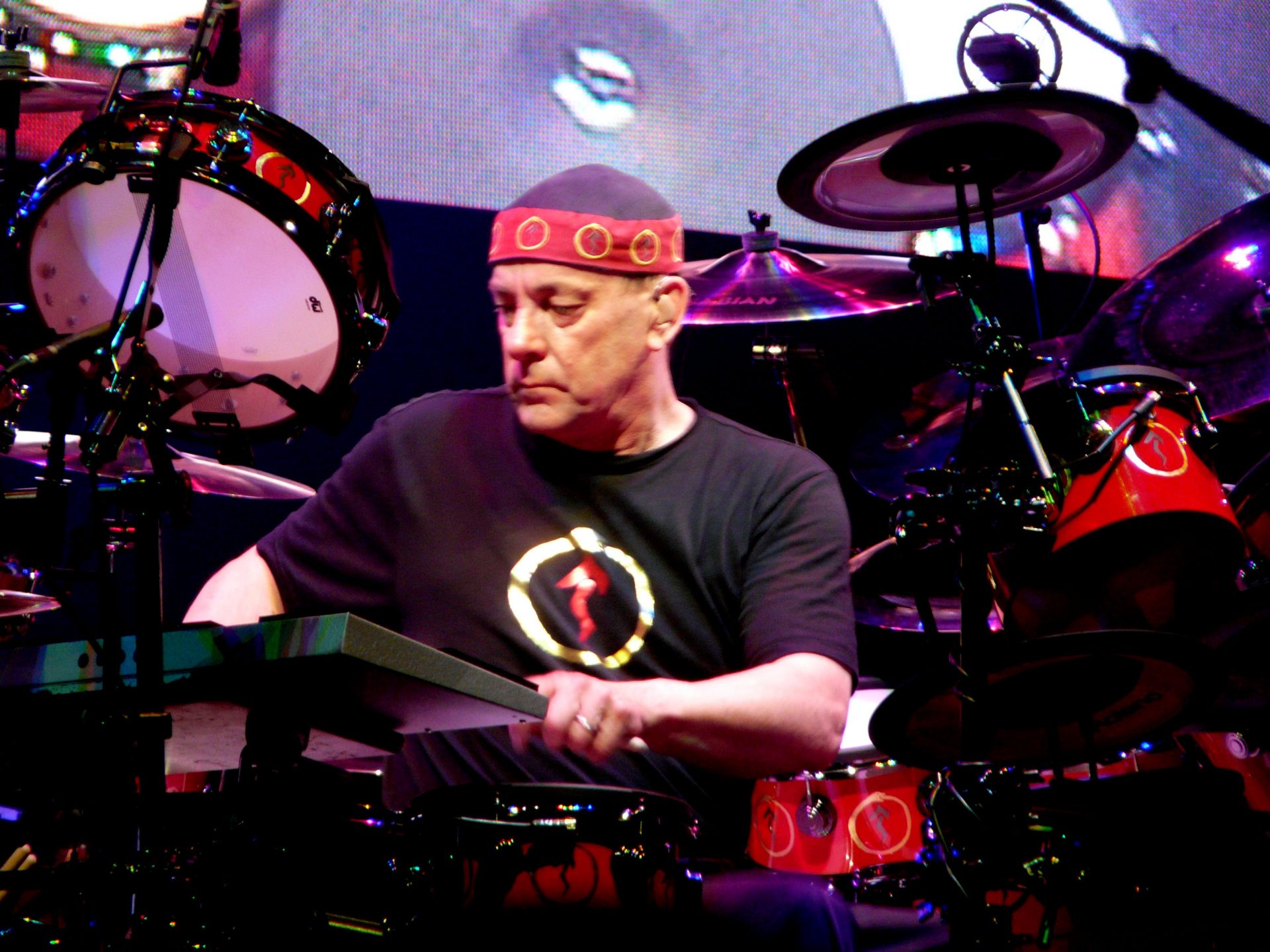
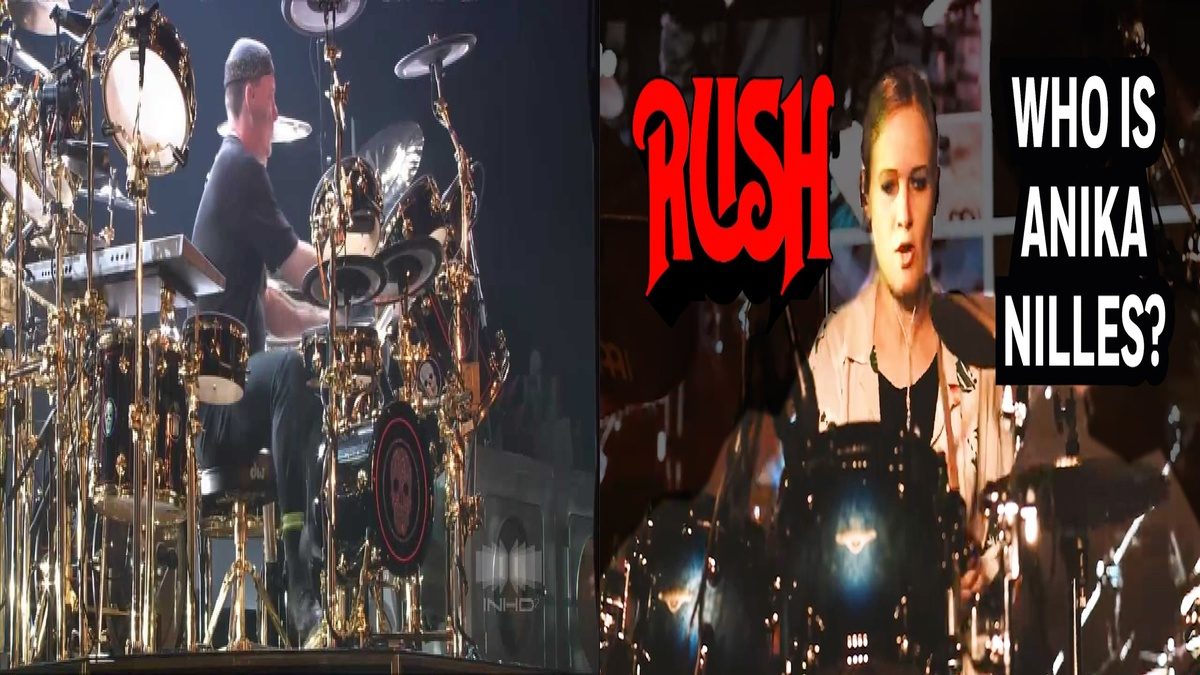
For over fifty years, Rush has been more than just a band. They’ve been a force of nature in progressive rock, a beacon of technical excellence, and a symbol of what’s possible when three musicians push the boundaries of their craft without compromise. When the R40 Tour concluded in 2015 at the Kia Forum in Los Angeles, it felt like the end of an era. And when Neil Peart – the Professor, the poet, the irreplaceable heartbeat of the band – passed away on January 7, 2020, it seemed certain that the Rush story had reached its final chapter.
But music, like the human spirit, has a way of surprising us.
On October 6, 2025, surviving members Geddy Lee and Alex Lifeson announced what many thought impossible: Rush would return for the “Fifty Something” tour in 2026, featuring German drumming virtuoso Anika Nilles. The announcement sent shockwaves through the rock world and sparked an emotional outpouring from the devoted Rushinati – Rush’s intensely loyal fanbase who had mourned not just the loss of Peart, but the apparent end of live Rush performances forever.
A Legacy Built on Excellence
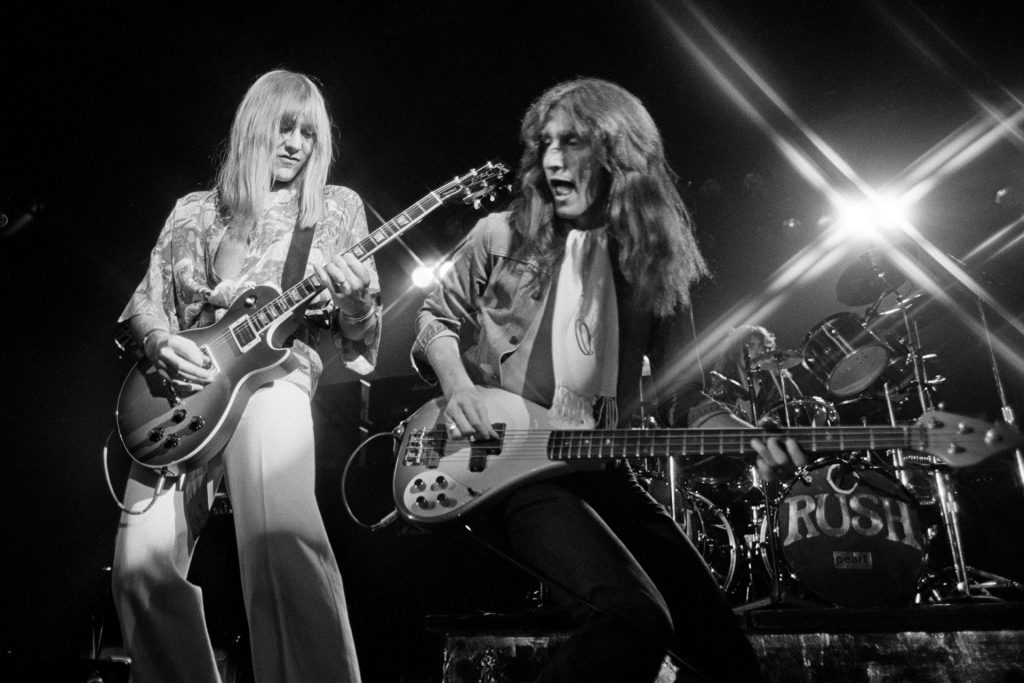
To understand why this reunion matters so profoundly, we must first appreciate what Rush accomplished over five decades. This wasn’t just another rock band – Rush redefined what was possible in progressive rock through their revolutionary approach to composition, their unparalleled technical virtuosity, and their willingness to evolve without sacrificing artistic integrity.
From their early blues-rock roots to becoming titans of progressive rock, Rush sold over 42 million albums worldwide, earned 24 gold and 14 platinum records in the U.S., and secured their place as the third-ranked band behind only the Beatles and Rolling Stones for consecutive gold or platinum albums. Their influence rippled across generations, inspiring everyone from Dream Theater and Tool to Foo Fighters and Metallica.
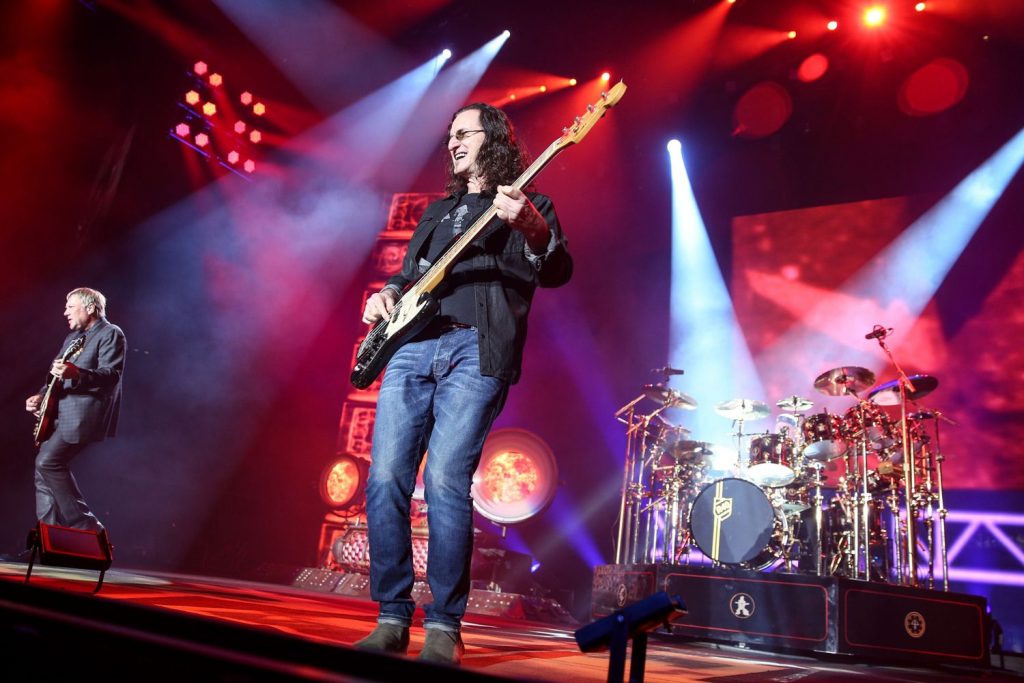
But numbers only tell part of the story. Rush’s true legacy lies in how they expanded the possibilities of rock music. The 20-minute epic “2112” demonstrated that rock could be symphonic and conceptual. “Moving Pictures” proved that technical complexity could coexist with commercial success, selling over five million copies. “Subdivisions” showed that synthesizers and new wave influences could enhance rather than dilute progressive rock’s essence.
The Irreplaceable Professor
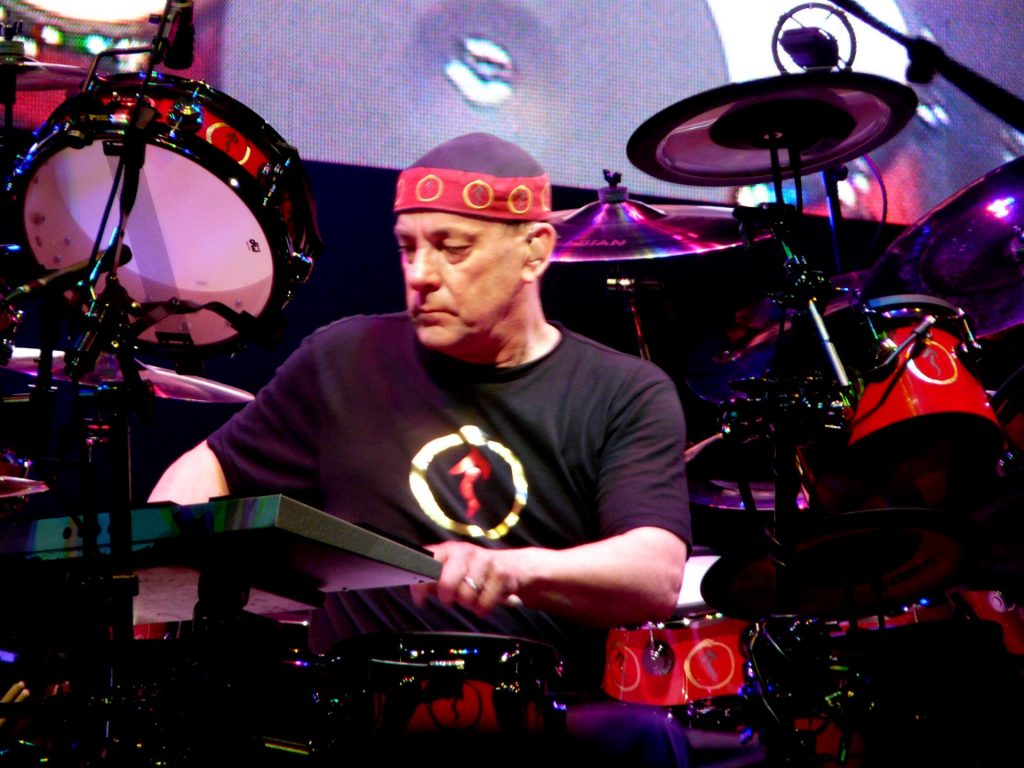
At the heart of Rush’s sound and philosophy stood Neil Peart – a drummer so skilled he was simply called “The Professor.” Joining the band in 1974, Peart didn’t just keep time; he revolutionized what rock drumming could be. His elaborate solos, precise technique, and ability to blend hard rock power with jazz sophistication made him the gold standard for generations of drummers.
But Peart’s contributions extended far beyond his kit. As Rush’s primary lyricist, he crafted words that explored philosophy, literature, and the human condition. From the Ayn Rand-inspired “2112” to the poignant suburban alienation of “Subdivisions,” his lyrics gave Rush’s technical prowess an emotional and intellectual depth that separated them from their peers.
When Peart passed away from glioblastoma in January 2020, the music world didn’t just lose a drummer – it lost a philosopher-poet who proved that rock music could be both technically masterful and profoundly thoughtful. His death seemed to mark the definitive end of Rush. How could the band continue without its heartbeat? How could anyone fill those impossible shoes?
The answer, as it turns out, wasn’t about filling shoes at all – it was about honoring a legacy while forging a new path forward.
Enter Anika Nilles: A New Voice for a Timeless Sound
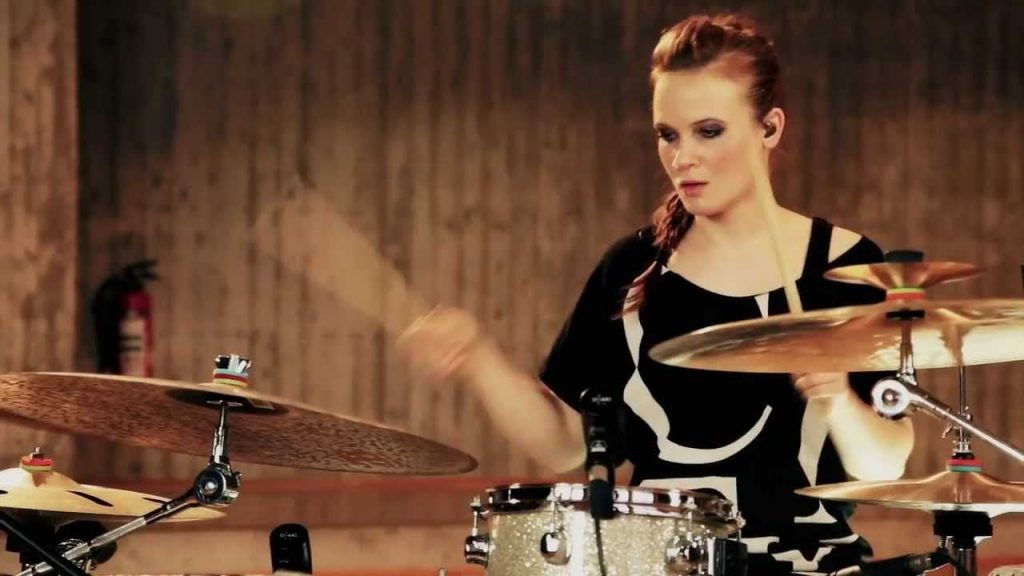
When Geddy Lee and Alex Lifeson began quietly auditioning drummers in March 2025, they faced an impossible task: finding someone who could interpret Rush’s intricate catalog while bringing their own artistry to the stage. They needed technical mastery, emotional intelligence, and the humility to honor what came before while contributing something new.
They found all of that in Anika Nilles.
Born in Aschaffenburg, Germany, in 1983, Nilles represents a new generation of drumming virtuosos. She began playing at age six, learning from her drummer father, but initially pursued a practical path as a preschool teacher. In her late twenties, she made the bold decision to pursue music professionally, enrolling at Popakademie Baden-Württemberg and eventually launching a career that would take her from viral YouTube performances to touring with guitar legend Jeff Beck.
Anika’s youtube
![Anika Nilles / Nevell - DRIP [official video]](https://i.ytimg.com/vi/60erq3URfso/maxresdefault.jpg)
![Anika Nilles - FOU FOU [official video]](https://i.ytimg.com/vi/HEWtJcPRUl4/maxresdefault.jpg)


It was that connection with Beck that ultimately led to Rush. Lee’s bass technician, who had worked with Beck, witnessed Nilles’ performances and recommended her to the surviving Rush members. What followed were months of private rehearsals where Nilles demonstrated not just her technical prowess – her command of complex time signatures, her precision, her dynamic range – but also her deep respect for the material and the legacy she was being asked to carry forward.
Nilles becomes the first new member of Rush since Peart joined in 1974 – a span of 51 years – and the first woman to perform with the band. Her selection represents not replacement, but evolution. She isn’t trying to be Neil Peart; she’s bringing her own voice to music that has meant everything to millions of fans worldwide.
The “Fifty Something” Tour: A Celebration and a Tribute
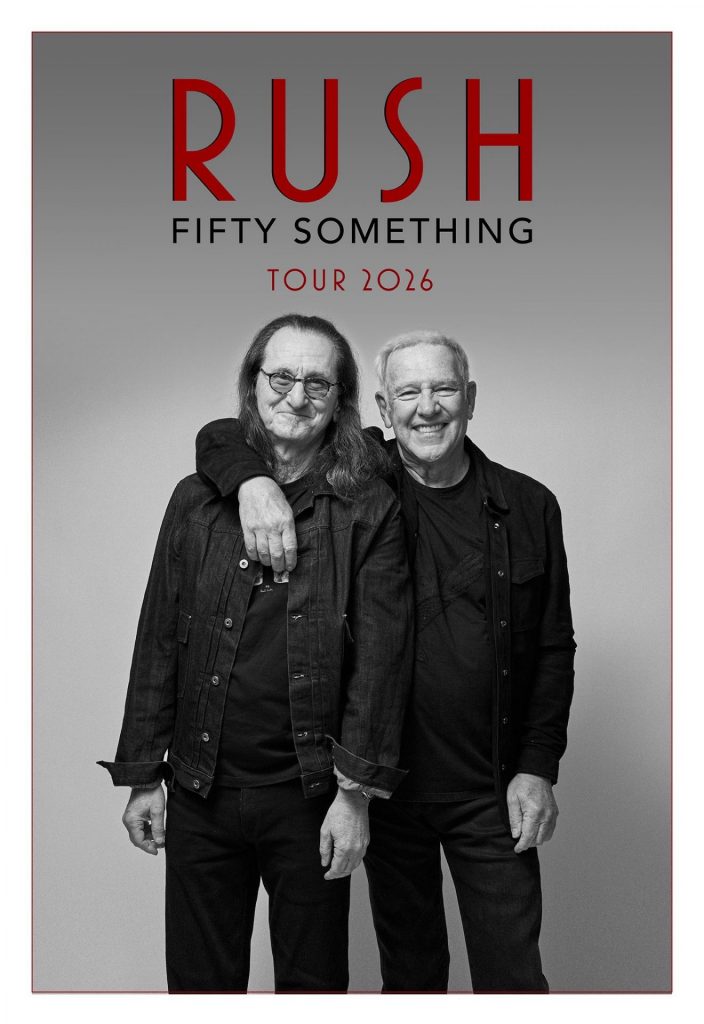
The announcement of the 2026 reunion tour carried profound emotional weight. The initial 12 dates across seven cities sold out so quickly that Lee and Lifeson added 11 more shows, bringing the total to 23 performances. The tour will begin on June 7, 2026, at the Kia Forum in Los Angeles – the very venue where the R40 Tour concluded, creating a symbolic circle of continuity.
Each evening will feature two sets spanning 35+ songs from Rush’s extensive catalog, offering comprehensive retrospectives that honor five decades of musical evolution. Lee and Lifeson have hinted they might add additional musicians, perhaps a keyboardist, to enhance the live experience and do justice to the layered complexity of Rush’s studio recordings.
Most significantly, the tour carries the blessing of Neil Peart’s family. His widow, Carrie Nuttall-Peart, and daughter Olivia issued a statement supporting the reunion, emphasizing that it honors his “irreplaceable” artistry and “singular musicianship.” This endorsement transforms the tour from a commercial venture into something more sacred – a living memorial that keeps Peart’s music and spirit alive.
The Rushinati Responds: Joy, Gratitude, and Hope
The reaction from Rush’s devoted fanbase – affectionately known as the Rushinati – has been nothing short of extraordinary. Social media erupted with excitement when the tour was announced, with posts receiving thousands of likes and shares. Fans who had resigned themselves to never hearing “Tom Sawyer,” “YYZ,” or “The Spirit of Radio” live again suddenly had something impossible to look forward to.
What’s particularly moving about the fan response is its emotional complexity. There’s excitement, certainly, but also profound gratitude. Gratitude that Lee and Lifeson found a way to honor Peart’s memory while continuing to share their music. Gratitude that the Peart family blessed this continuation. Gratitude that Rush’s catalog – those intricate time signatures, philosophical lyrics, and soaring melodies – will once again fill arenas with sound.
The overwhelming ticket demand speaks volumes. Rush didn’t just have fans; they created a community bonded by shared appreciation for musical excellence and intellectual depth. These weren’t casual listeners – they were devoted students of the craft, many working in technical fields themselves, who found kinship in Rush’s complexity and precision. Now, after years of mourning, that community has something to celebrate together once more.
The Beat Goes On
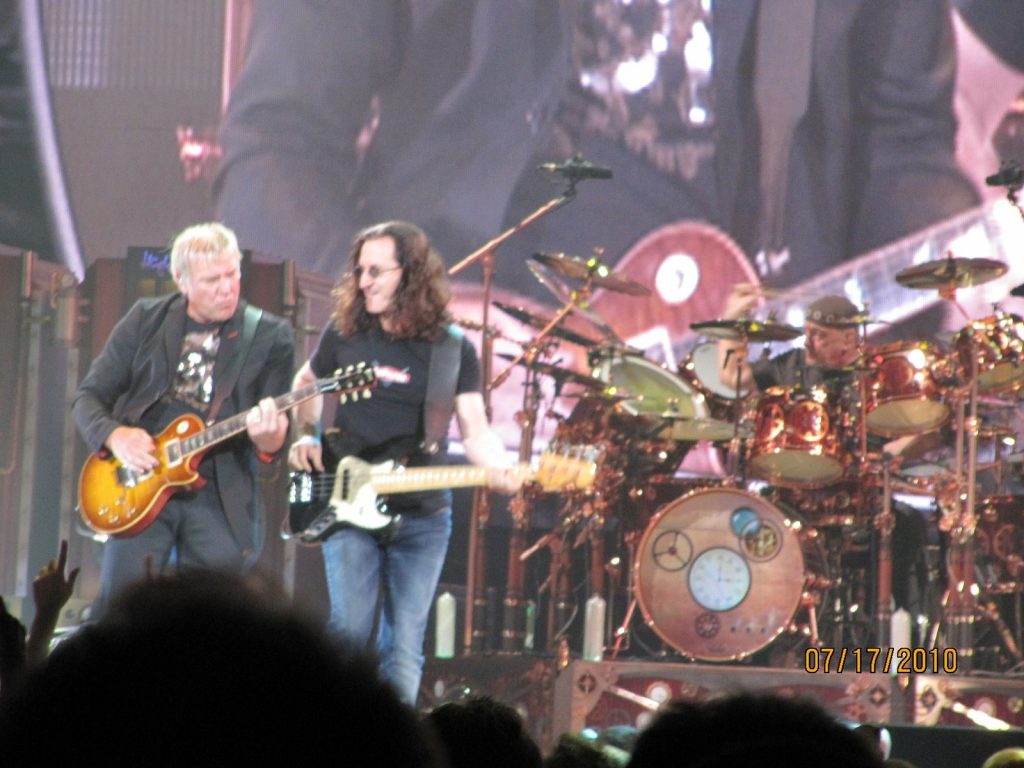
The 2026 Rush reunion tour represents something far more profound than nostalgia. It’s a testament to the enduring power of great music, the unbreakable bonds between artists and audiences, and the beautiful truth that legacies can evolve without being diminished.
Neil Peart’s contributions to Rush and to music itself remain irreplaceable. His technical brilliance, philosophical depth, and artistic integrity set standards that continue to inspire. But his greatest legacy may be this: he helped create music so powerful, so meaningful, that it transcends any single performer. The songs he helped bring to life – from the epic grandeur of “2112” to the intimate reflections of “Time Stand Still” – belong to everyone who has ever been moved by them.
When Geddy Lee, Alex Lifeson, and Anika Nilles take the stage in Los Angeles on June 7, 2026, they won’t just be playing songs. They’ll be honoring a friend, celebrating five decades of musical innovation, and reminding us all why Rush’s music has mattered so deeply to so many for so long.
The Professor may be gone, but his beat goes on. And in arenas across North America next summer, thousands of voices will rise in unison, singing the words he wrote, carried by the music he helped create, proving once again that great art never truly dies – it simply finds new ways to live.
Welcome back, Rush. We’ve missed you more than words can say.